Tokyo Train Paid Seats ExplainedGreen Cars, Limited Expresses and Liners
This article contains affiliate links
Tokyo has a lot of trains.
Shinkansen, JR lines, private railways, subways, monorails. The subway alone is two networks: Tokyo Metro runs 9 lines and Toei runs 4 more. There is even a monorail to Haneda Airport, the Tokyo Monorail, and another one in the western suburbs, the Tama Monorail.
Once you get used to it, it is a wonderfully convenient system. Until then, one thing confuses almost every visitor, and quite a few people who live here too.
On the same platform, you will see trains marked “Green Car”, “Limited Express” or “Liner”. All of them ask for an extra charge, but each one works differently, and every railway company has its own rules.
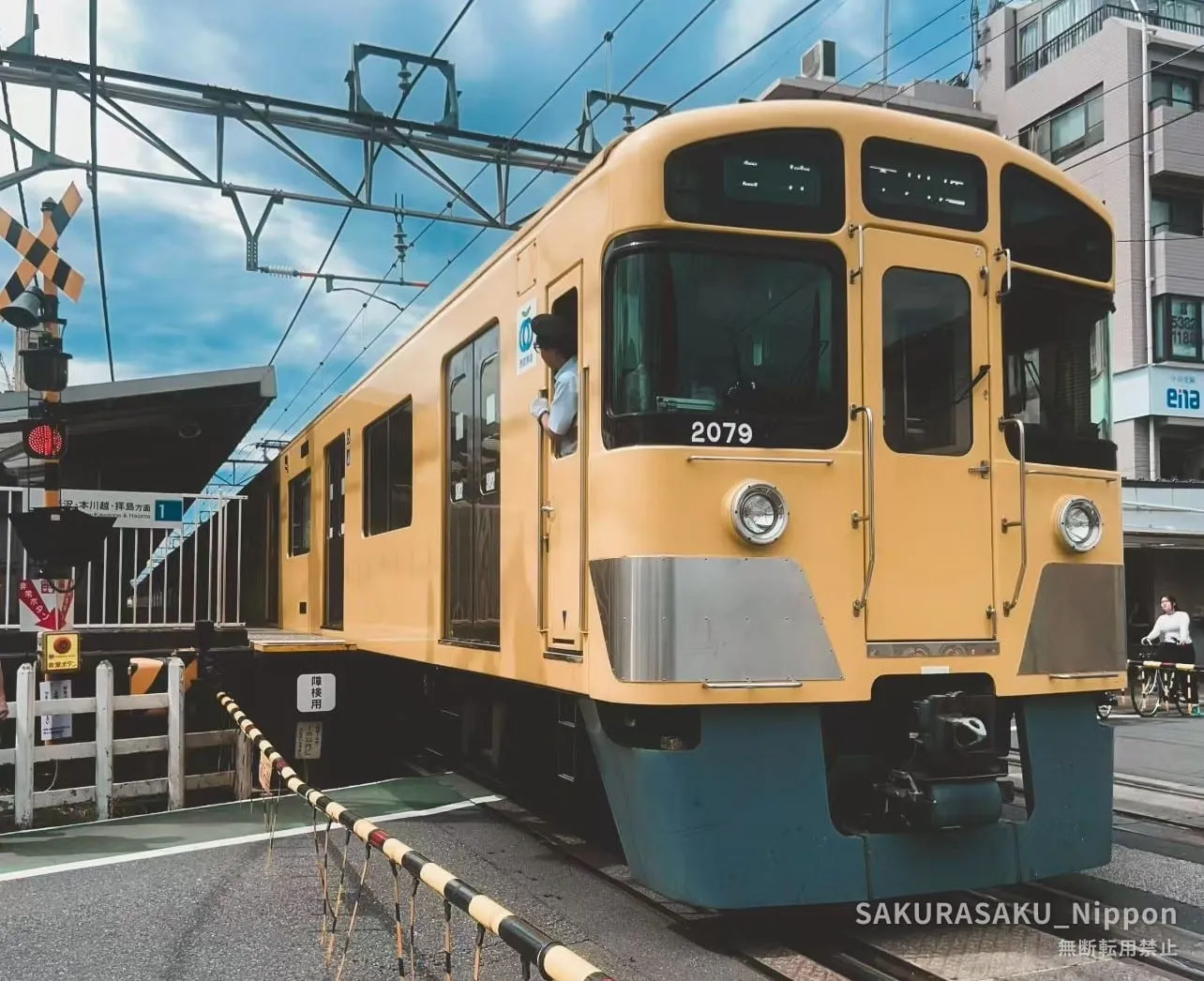
The Seibu Shinjuku Line at Kami-Igusa, where the train stops right next to the crossing (our Kami-Igusa article)
So here is a small quiz. How many kinds of paid seats are there on Tokyo trains?
My answer is five. This is my own way of sorting them, so please forgive me if you count differently.
The five kinds of paid seats
Swipe the table sideways to see more →
| Type | Examples | What you pay on top of the fare | Seats | Booking |
|---|---|---|---|---|
| JR Green Car on local and rapid trains | Tokaido Line, Shonan-Shinjuku Line, Utsunomiya Line, Chuo Line Rapid and others | Green Car ticket (from ¥750 with Suica) JR East, Green Car fares | Unreserved | No seat reservation. Valid for one trip on the day |
| JR limited express | Narita Express, Azusa, Hitachi, Odoriko | Limited express ticket | Reserved | Yes |
| Shinkansen | Tokaido, Tohoku, Joetsu, Hokuriku | Limited express ticket (plus a Green Car charge for the Green Car) | Reserved and unreserved, depending on the train | Yes |
| Private-railway limited express | Odakyu Romancecar, Tobu Spacia X, Seibu Laview, Keisei Skyliner | Limited express ticket | Reserved | Yes |
| Commuter liner | Keio Liner, Tobu TJ Liner, Seibu S-TRAIN, Tokyu Q SEAT | Seat reservation ticket (a few hundred yen) | Reserved | Yes |
Two payments, not one
Every seat in the table is paid on top of your normal fare. The fare is what you pay with your Suica or PASMO card, or with an ordinary ticket. The seat ticket alone does not let you travel.
On JR, the rule that a limited express needs its own ticket is written in the passenger regulations (JR East, passenger regulations (Japanese)). Private railways each have their own rules.
Green Car means two different things
On JR, the Green Car is the first-class car. The confusing part is that JR has two quite different kinds.
On the shinkansen and JR limited expresses, the Green Car is a reserved first-class car. You pay the fare, the limited express charge and the Green Car charge, and you get a numbered seat.
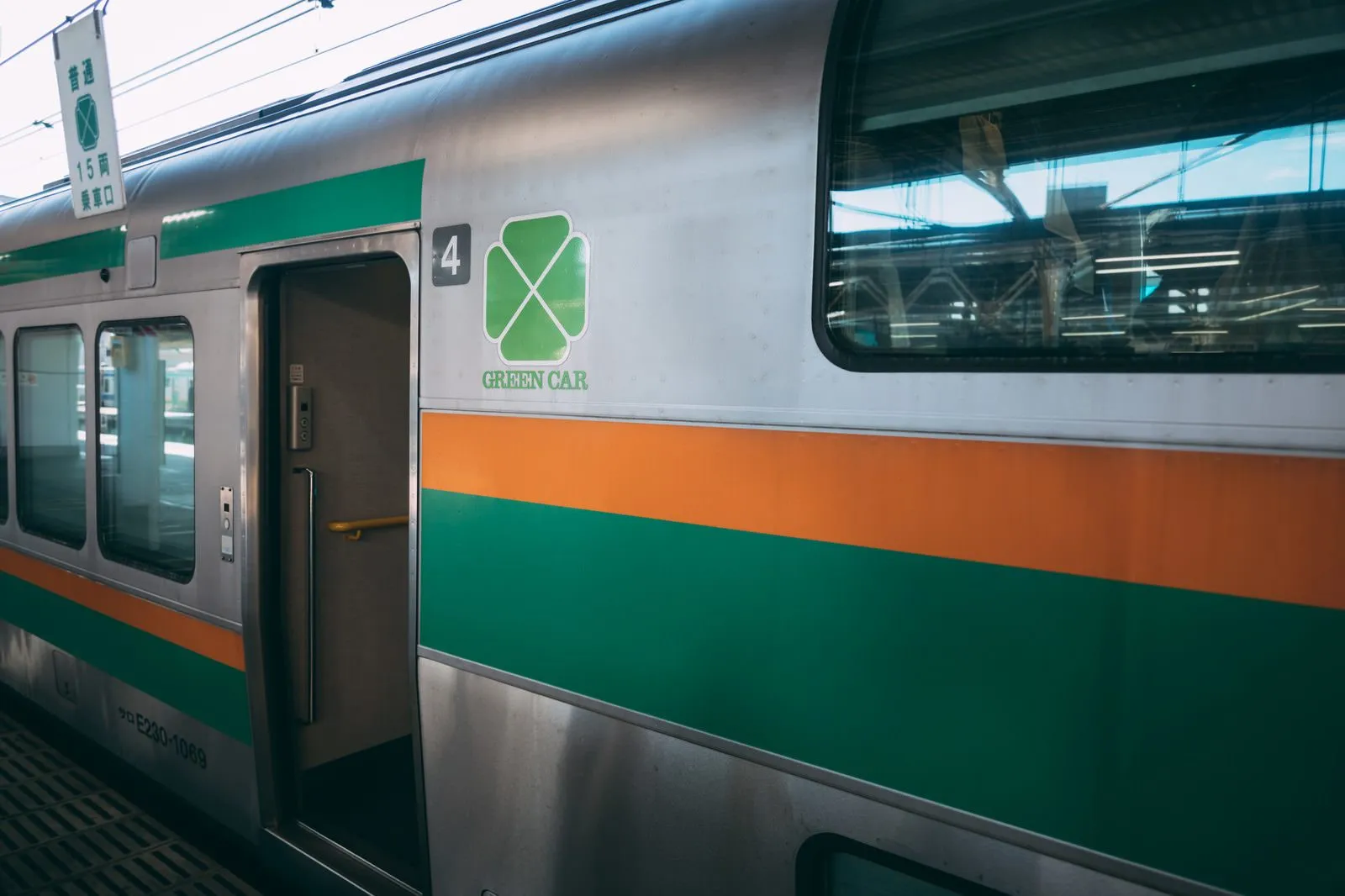
Look for the four-leaf clover mark. Photo: PAKUTASO
On the local and rapid trains around Tokyo, the Green Car is something else. These ordinary commuter trains carry double-decker Green Cars (JR East, Green Car service on the Chuo Line Rapid (Japanese)) where every seat is unreserved (JR East, Green Cars on local trains (English)). You buy a Green Car ticket on your Suica, find an empty seat, and touch your card to the reader above it. The light changes from red to green.
Because the seats are unreserved, on busy days you may have to stand, and you still need the ticket. If you would rather move to an ordinary car, tell the Green Car attendant.
The step-by-step guide, with photos of the ticket machine and the ceiling reader, is in our Green Car article.
A Limited Express can be free
The second trap is the name “Limited Express”.
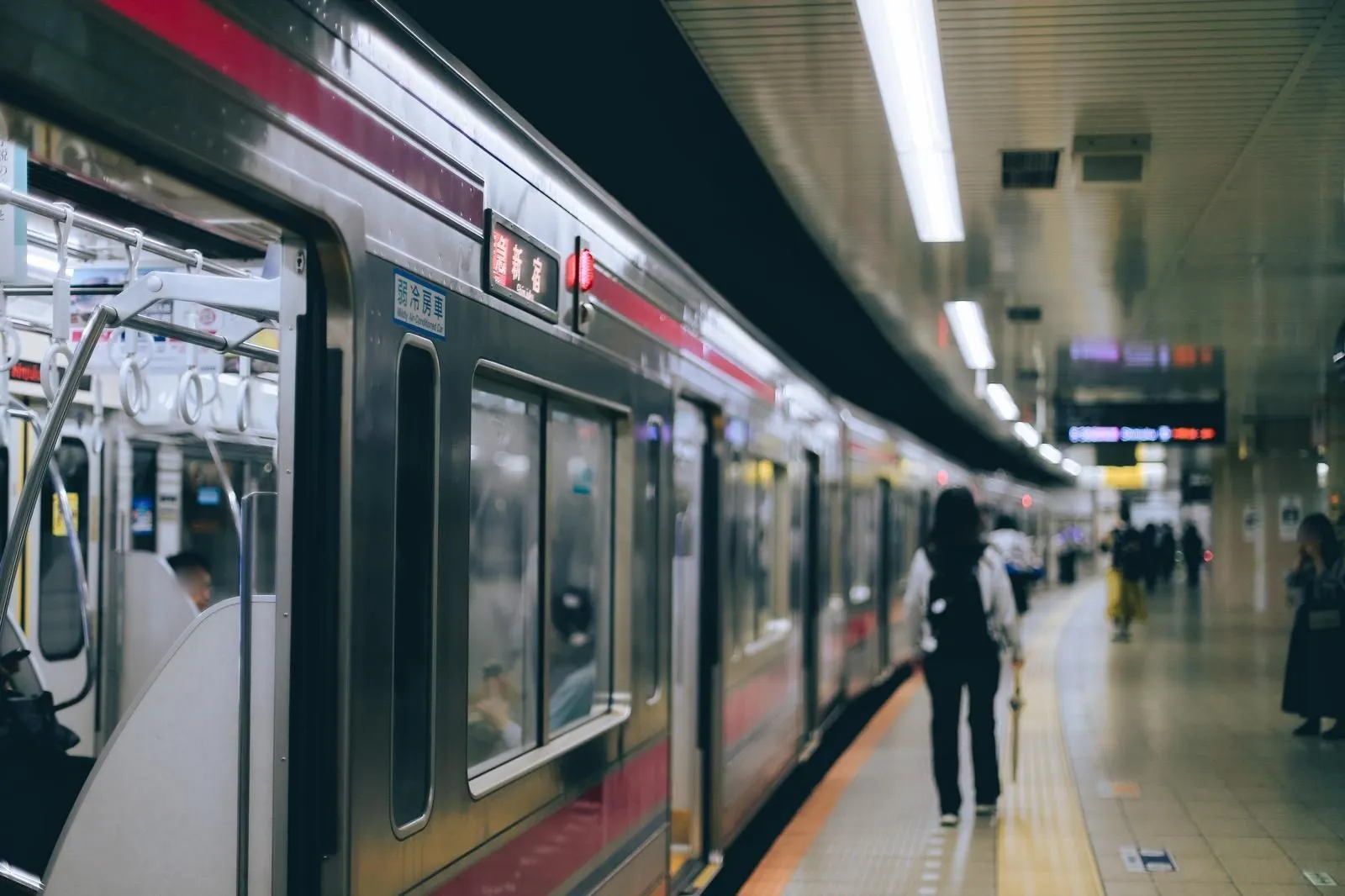
A Keio Line train. On the Keio Line, even the Limited Express costs nothing extra. Photo: PAKUTASO
On JR, a limited express needs a limited express ticket (JR East, passenger regulations). But on the Keio, Keikyu and Tokyu lines, a train called “Limited Express” is just a faster train, and your normal fare is enough. On Odakyu, Seibu and Tobu, the Limited Express is a paid, reserved-seat train.
One more thing to watch. On Keikyu, car 2 of some Kaitoku trains becomes a reserved car on weekends and holidays, and on Tokyu, one car of some weekday evening Express trains is a paid Q SEAT car. The rest of the train is free, but those seats are not.
It is the company that decides, not the name. If you are not sure, ask the station staff whether the train needs an extra ticket.
Which one suits your trip?
If you arrive at Tokyo Station by shinkansen and go on to Yokohama, Kamakura or Atami, the JR Green Car on a local train is the easy choice. No booking, just buy the Green Car ticket on your Suica and sit down. With a large suitcase, it makes the ride much calmer.
\ The IC card for Tokyo trains /
↓ Suica and other IC cards ↓
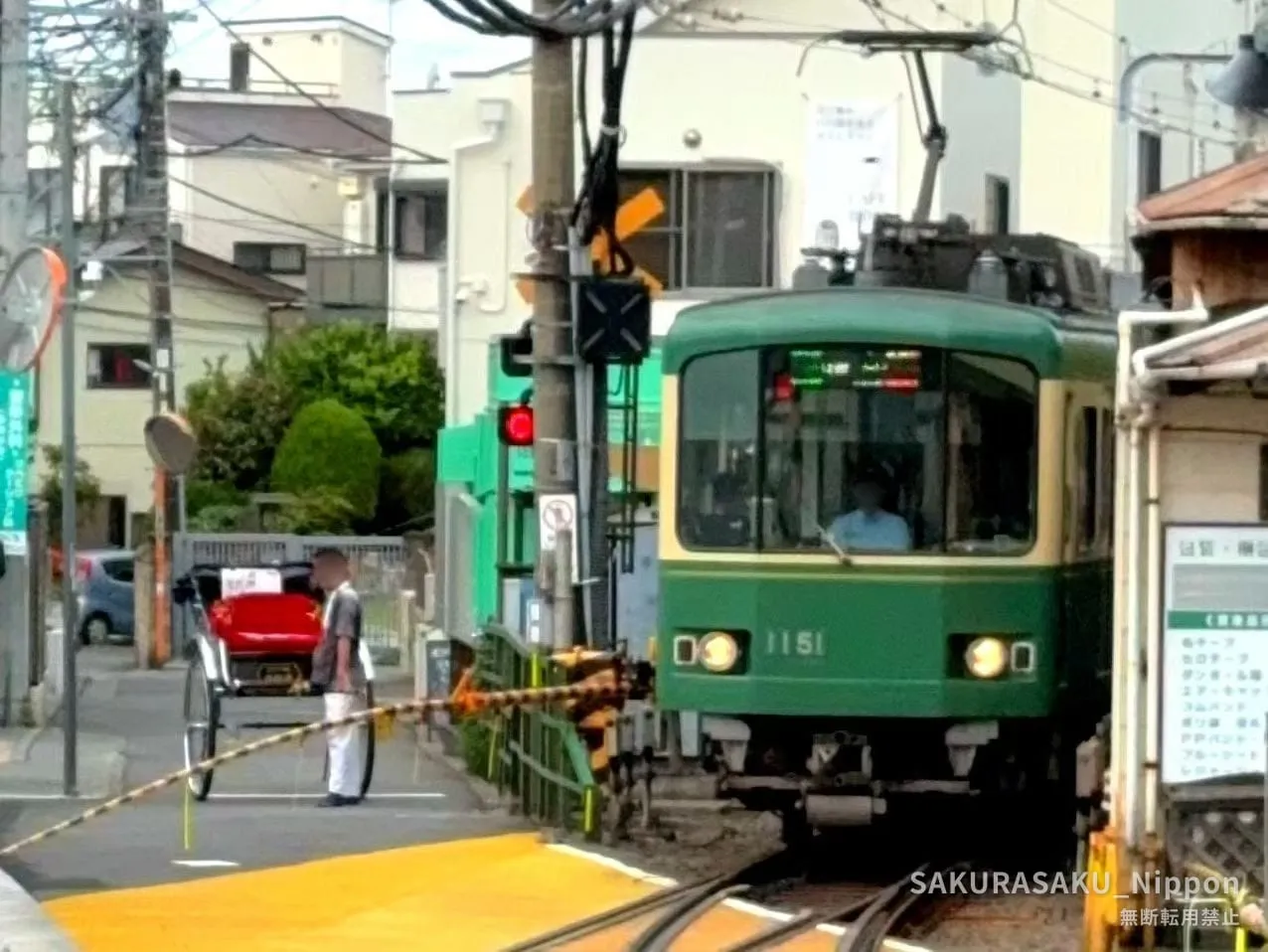
The Enoden in Kamakura. It is an ordinary train with no paid seats
For Hakone, take the Odakyu Romancecar from Shinjuku. For Nikko and Kinugawa, take the Tobu limited express from Asakusa. For Chichibu, take the Seibu Laview from Ikebukuro. All of them are fully reserved, so book ahead for weekends and holidays.
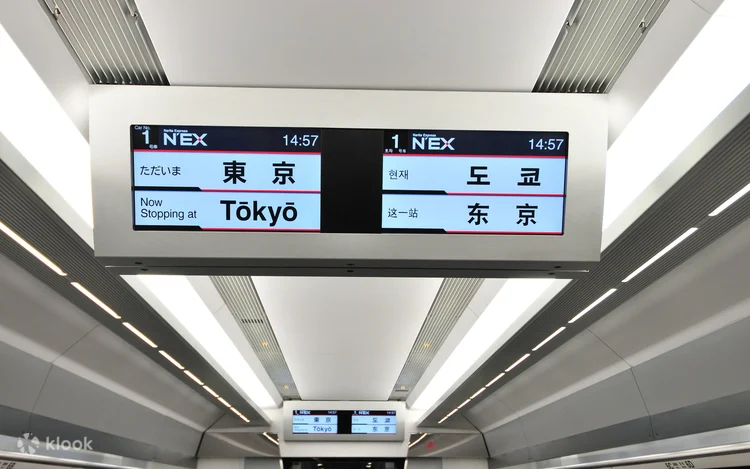
For Narita Airport, choose the Keisei Skyliner or JR’s Narita Express (JR East, limited expresses from Tokyo). Both are fully reserved, so you can book a seat that fits your flight.
\ Flying in or out of Narita? /
↓ Book the Skyliner or N'EX before you fly ↓
Living in Japan? NAVITIME Travel arranges JR shinkansen and limited express tickets, the Narita Express included, and delivers them to your home or office in Japan. Apply at least two days before you travel. The site is in Japanese: PRJR新幹線・特急のチケット手配♪窓口・券売機に並ばずに自宅で受け取り!【NAVITIME Travel】
Coming back to your hotel in the evening rush, a liner lets you sit down for a few hundred yen. The Keio Liner runs between Shinjuku and the Hachioji and Takaosanguchi area, and the TJ Liner between Ikebukuro and the Tobu Tojo Line. Times differ by company, so check the timetable.
Trains worth riding for their own sake
Some paid trains are less about getting there and more about the ride itself.
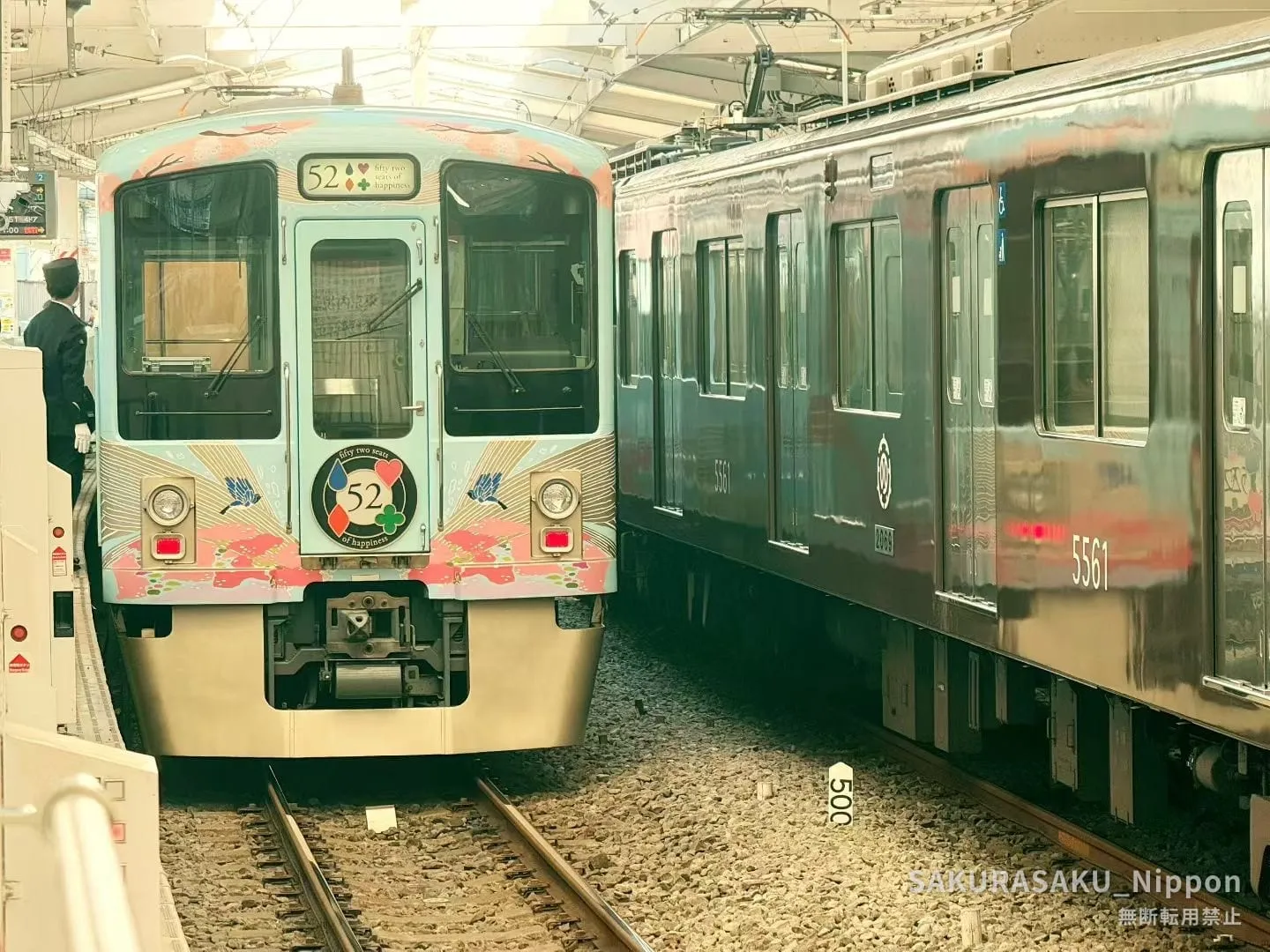
Seibu’s 52 Seats of Happiness is a restaurant train where a full course meal is served on board.
Chichibu Railway’s SL Paleo Express is a steam train between Kumagaya and Mitsumineguchi. Every seat is reserved in advance (in Japanese), and you need an SL seat ticket on top of the fare.
More in this series
The other six parts go deeper into each kind of paid seat.
The rest of this series
- Part 2 JR Green Cars on Tokyo Local Trains, Fares and How to Buy with Suica
- Part 3 Shinkansen Green Car vs Local Train Green Car, Fares, Seats and Tickets
- Part 4 Tokyo Train Types Explained, Rapid, Express and Limited Express and Which Ones Cost Extra
- Part 5 Special Trains from Tokyo, Restaurant Trains, Observation Seats and a Steam Train
- Part 6 Taking a Suitcase on Tokyo Trains, Green Cars, Limited Expresses and the Shinkansen
- Part 7 Private Railway Limited Expresses and Liners in Tokyo, How to Book and How They Differ from JR Green Cars
\ Living in Japan? /
↓ JR tickets, delivered to your door ↓

Japanese-language ad for NAVITIME Travel. Tickets are delivered to an address in Japan.
Practical information
- Checked on October 16, 2026
- Green Car on local trains Up to 50 km ¥750, up to 100 km ¥1,000, 101 km and over ¥1,550 when bought with Suica before boarding. Paper tickets cost ¥1,010, ¥1,260 and ¥1,810
- Official pages JR East, Green Cars on local trains (English), JR East, Green Car fares, JR East, limited expresses from Tokyo, Odakyu Romancecar, Tobu Spacia X, Seibu limited expresses and liners, Keisei Skyliner, Keio Liner, Tokyu Q SEAT, Chichibu Railway SL Paleo Express (most of these pages are in Japanese)
- Photos The Green Car and Keio Line photos are free stock photos from PAKUTASO. All other photos are my own.
Note: Fares, routes and booking rules change. Please check each company’s official information before you travel.
Affiliate note: This article contains affiliate links to Japan Experience, Klook and NAVITIME Travel. If you book through them, we may earn a commission at no extra cost to you.